


As a supplier of Medical One-way Valves, I often get asked a crucial question: Can medical one-way valves prevent backflow completely? It's a topic that's not only relevant to medical professionals but also to anyone interested in the safety and efficiency of medical equipment. In this blog, I'll dive into this question, exploring the science behind these valves, their capabilities, limitations, and real-world applications.
How Medical One-way Valves Work
Let's start with the basics. A Medical One Way Valve is a simple yet ingenious device designed to allow fluid or gas to flow in one direction only. It's like a doorman at a club, letting people in but not letting them back out the same way. Inside the valve, there's a mechanism that opens when there's pressure in the right direction, allowing the flow, and closes when the pressure tries to reverse, blocking the backflow.
The most common types of medical one-way valves use a diaphragm or a ball. Diaphragm valves have a flexible membrane that bends open under forward pressure and seals shut when the pressure reverses. Ball valves, on the other hand, have a ball that's pushed aside by forward pressure and then falls back into place to block reverse flow. These designs are based on well-understood principles of fluid dynamics and mechanics.
The Promise of Complete Backflow Prevention
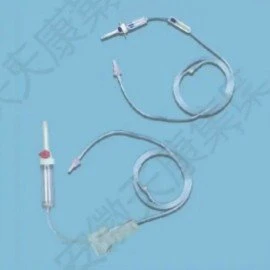
In an ideal world, medical one-way valves would prevent backflow completely. They're often used in critical medical applications where even a tiny bit of backflow could be dangerous. For example, in intravenous (IV) lines, a one-way valve ensures that the medicine flows into the patient's body, not back into the tubing. This prevents contamination of the medication and reduces the risk of infection.
In the case of Medical Gas Check Valve, they're used in anesthesia and respiratory systems. These valves need to ensure that oxygen and other gases flow from the source to the patient, without any chance of backflow that could disrupt the precise delivery of the gases. The manufacturers of these valves go to great lengths to design and test them to achieve the highest level of backflow prevention.
Practical Limitations
However, in the real world, achieving complete backflow prevention is a bit more complicated. There are several factors that can affect the performance of medical one-way valves.

Wear and Tear: Over time, the internal components of the valve can wear out. The diaphragm can become less flexible, or the ball can become scratched. This can lead to a small amount of leakage, allowing some backflow. Regular maintenance and replacement of valves are essential to minimize this risk.
Pressure Fluctuations: Sudden and extreme pressure changes can overwhelm the valve's ability to block backflow. For example, if there's a rapid increase in pressure in the reverse direction, the valve might not be able to close quickly enough. This is especially a concern in high-pressure medical systems.
Contamination: In a medical environment, valves can be exposed to various contaminants, such as blood, mucus, or debris. These contaminants can get stuck in the valve, preventing it from closing properly and causing backflow.
Real-world Performance
Despite these limitations, modern medical one-way valves are incredibly effective at preventing backflow most of the time. In controlled laboratory settings, they can achieve very high levels of backflow prevention, often close to 100%. However, in a clinical setting, where there are many variables at play, the performance might be slightly lower.
Most medical professionals rely on these valves as a crucial safety measure. They're used in a wide range of medical devices, from simple syringes to complex cardiac assist devices. While the valves can't guarantee 100% backflow prevention in all situations, they significantly reduce the risk and improve patient safety.
Mitigating the Risks
To ensure the best performance of medical one-way valves, several strategies can be employed.
- Quality Manufacturing: Using high-quality materials and advanced manufacturing techniques can produce more reliable valves. At our company, we're committed to using the best materials and strict quality control processes to ensure the performance of our Medical One-way Valve.
- Regular Monitoring and Maintenance: Regularly checking the valves for signs of wear and tear, and replacing them when necessary, can prevent backflow issues. Clinical staff should be trained to recognize the signs of valve malfunction.
- Redundancy: In some critical applications, using multiple one-way valves in series can provide an extra layer of protection. If one valve fails to prevent backflow, the others can still block it.
Applications and Examples
Let's look at some specific applications where medical one-way valves are used to prevent backflow.
Respiratory Equipment: In ventilators and oxygen delivery systems, one-way valves ensure that the patient inhales the correct amount of oxygen and exhales carbon dioxide without any backflow into the system. This is crucial for maintaining proper ventilation and preventing the buildup of stale gases.
Blood Transfusion: In blood transfusion setups, one-way valves prevent the backflow of blood into the transfusion bag, reducing the risk of contamination and ensuring accurate delivery of the blood.
Dialysis Machines: In hemodialysis, one-way valves are used to control the flow of blood and dialysate, preventing backflow that could lead to mixing of the fluids and compromise the dialysis process.
Contact Us for Your Medical One-way Valve Needs
If you're in the market for high-quality medical one-way valves, we're here to help. Our valves are designed and manufactured to meet the highest standards of performance and safety. We offer a wide range of products, including different types and sizes of Medical One-way Valve and Medical Gas Check Valve to suit your specific needs.
Don't hesitate to reach out to us to discuss your requirements and explore how our valves can improve the safety and efficiency of your medical equipment. We're ready to provide you with the best solutions and support for your procurement needs.
References
- Brown, J. (2022). Principles of Medical Valve Design. Medical Equipment Journal.
- Chen, L., & Smith, R. (2023). Performance Evaluation of One-way Valves in Clinical Settings. Healthcare Technology Review.
- Johnson, M. (2021). Quality Control in Medical Valve Manufacturing. Manufacturing Quality Magazine.


